Here’s a calm, useful weekly shop for Mounjaro. It’s laid out by aisle so you can get in, grab real food that sits well, and get out. Protein is built in, with gentle fibre and easy sips for days when your appetite is small.
Updated 18 October 2026 · Little & Often
How to use this basket
Pick the bits you like from each aisle. Aim for a protein anchor at each meal, soft textures when you need them, and a few small snacks that go down easily. Portions are modest and UK‑realistic.
If you need tailored advice about symptoms or medicines, speak to your prescriber, GP or pharmacist. For deeper ideas, see our other guides on breakfasts, snacks, small lunches, family dinners, and what to eat on injection day.
Plan 3 to 4 protein anchors for the week (eggs, yoghurt, chicken, tofu).
Add soft fruit and cooked veg for gentle fibre.
Keep a couple of long‑life pouches and tins for no‑effort meals.
Choose drinks you actually like to sip.
Buy small packs if that helps reduce waste. Freeze leftovers in single portions.
Fresh produce aisle
Build colour and gentle fibre here. Choose what you’ll really use in a week. Frozen is fine if that’s easier.
Bananas, berries, easy‑peelers (ripe, soft options are kind when appetite is low).
Cherry tomatoes, cucumbers, baby spinach, rocket.
Avocados (buttery texture on days you prefer soft foods).
Salad kit or chopped veg pot for no‑chop days.
Microwave steam veg bags (broccoli, mixed veg).
Fresh herbs and lemons for quick flavour without fuss.
Garlic and ginger paste for speedy cooking.
Chilled: dairy and alternatives
High‑protein yoghurts, milk and cheeses are simple wins. Pick what you enjoy and tolerate.
Skyr or 0% Greek‑style yoghurt pots (150 g portions).
Cottage cheese tub (good on toast, crackers, or in omelettes).
Quark for a thick, tangy base or dip.
Milk you like (semi‑skimmed, lactose‑free, or fortified plant milk).
Cheddar or feta, pre‑grated if that helps you eat a little more easily.
Kefir or drinkable yoghurt for easy sips.
Butchery, fish and plant protein
Grab 2 to 3 protein options. Ready‑to‑eat packs are fine when cooking feels like too much.
Cooked chicken breast slices or mini fillets.
Lean beef mince or turkey mince (freeze in 100 g portions).
Smoked salmon or cooked prawns.
Baked tofu or firm tofu block; marinated if you want no prep.
Halloumi (pan‑grill a slice to top salads).
Plant sausages or falafel (check protein on the label; it varies).
Bakery, tins and packets
Cupboard staples make short meals with little effort. Choose grainy breads and pulses you’ll actually eat.
Small sliced wholemeal or seeded loaf; pittas or wraps.
Tinned fish: tuna in spring water, mackerel or sardines.
Tinned beans: cannellini, chickpeas, mixed beans; and green lentils.
Passata, stir‑in pesto, tomato purée for fast sauces.
Low‑salt stock cubes, instant miso, and soy sauce.
Oats for porridge; add milk powder or protein milk for extra protein.
Freezer and snacks
Freezer finds reduce waste and give you small, quick portions. Keep some snacks you can finish in two or three bites.
Frozen fish fillets, prawns and edamame beans.
Frozen veg, peas and berries.
Mini naan, pittas, or crumpets (freeze and toast from frozen).
Mini cheese portions, Babybel‑style, or cheddar sticks.
Protein yoghurt cups; high‑protein milk drinks or shakes you like the taste of.
Nut butter sachets; a few nuts if they sit well.
Plain oatcakes, rye crackers, rice cakes.
Recipes to try
lunch or light dinner
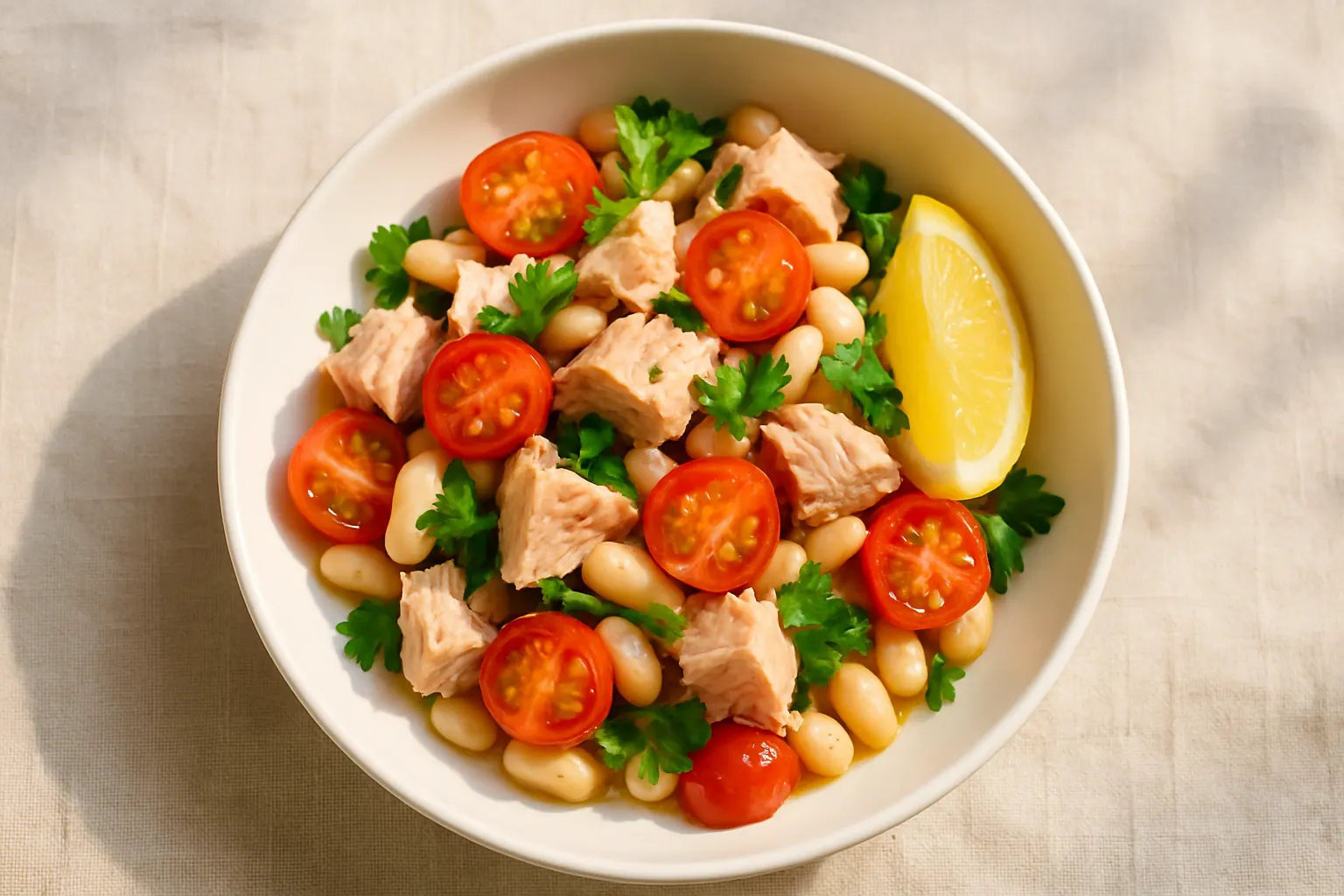
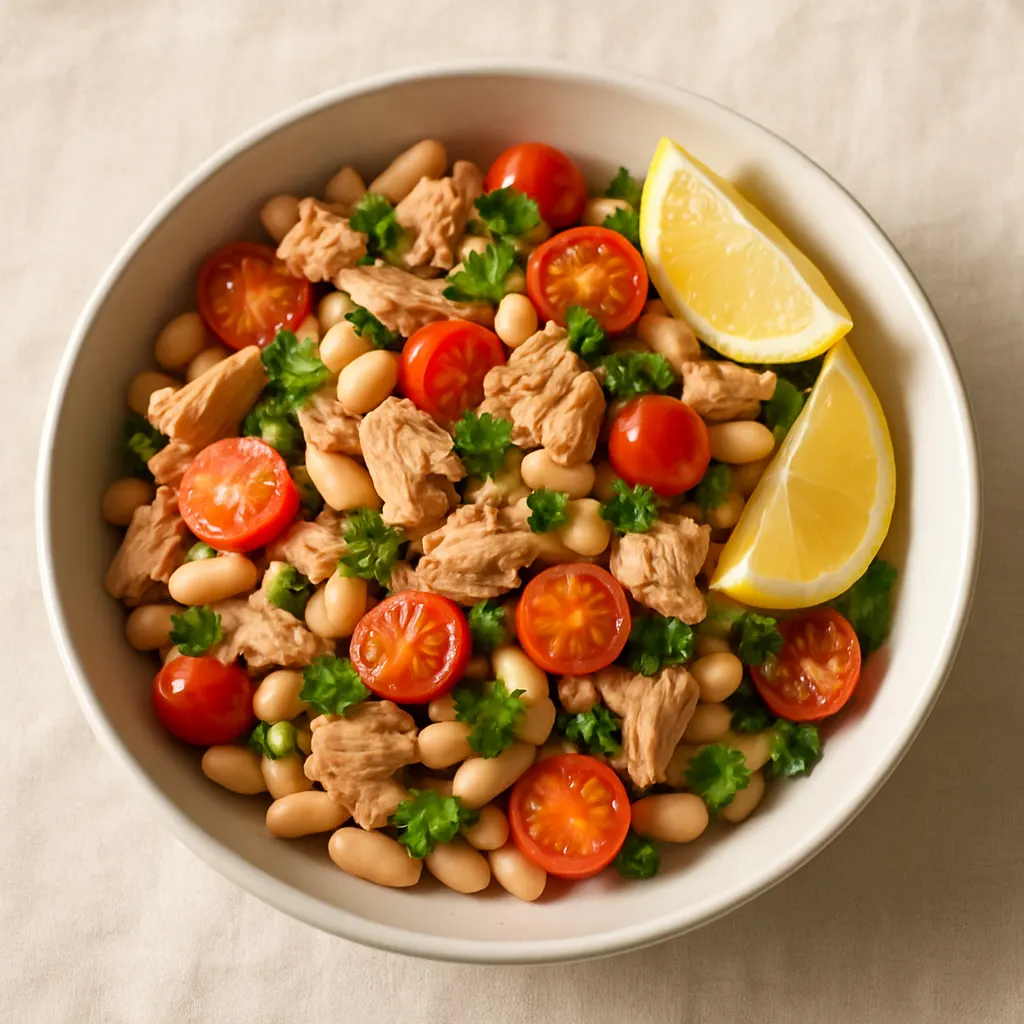
No‑cook tuna, bean and tomato bowls
A 5‑minute cupboard salad with soft textures and bright flavour.
30g protein per portion10 minMakes 2
You need
1 large tin tuna in spring water, drained (approx. 145 g; about 100 g drained fish)
1 tin cannellini beans, drained and rinsed (use 200 g)
200 g cherry tomatoes, halved
1 small red onion, very finely sliced (optional)
1 tbsp olive oil
1 tbsp lemon juice
Small handful parsley, chopped
Black pepper and a pinch of salt
Method
Flake the drained tuna into a bowl.
Add cannellini beans, tomatoes and onion if using.
Drizzle with olive oil and lemon juice. Season with pepper and a little salt.
Fold through parsley and serve. Soft, filling, and ready in minutes.
quick dinner
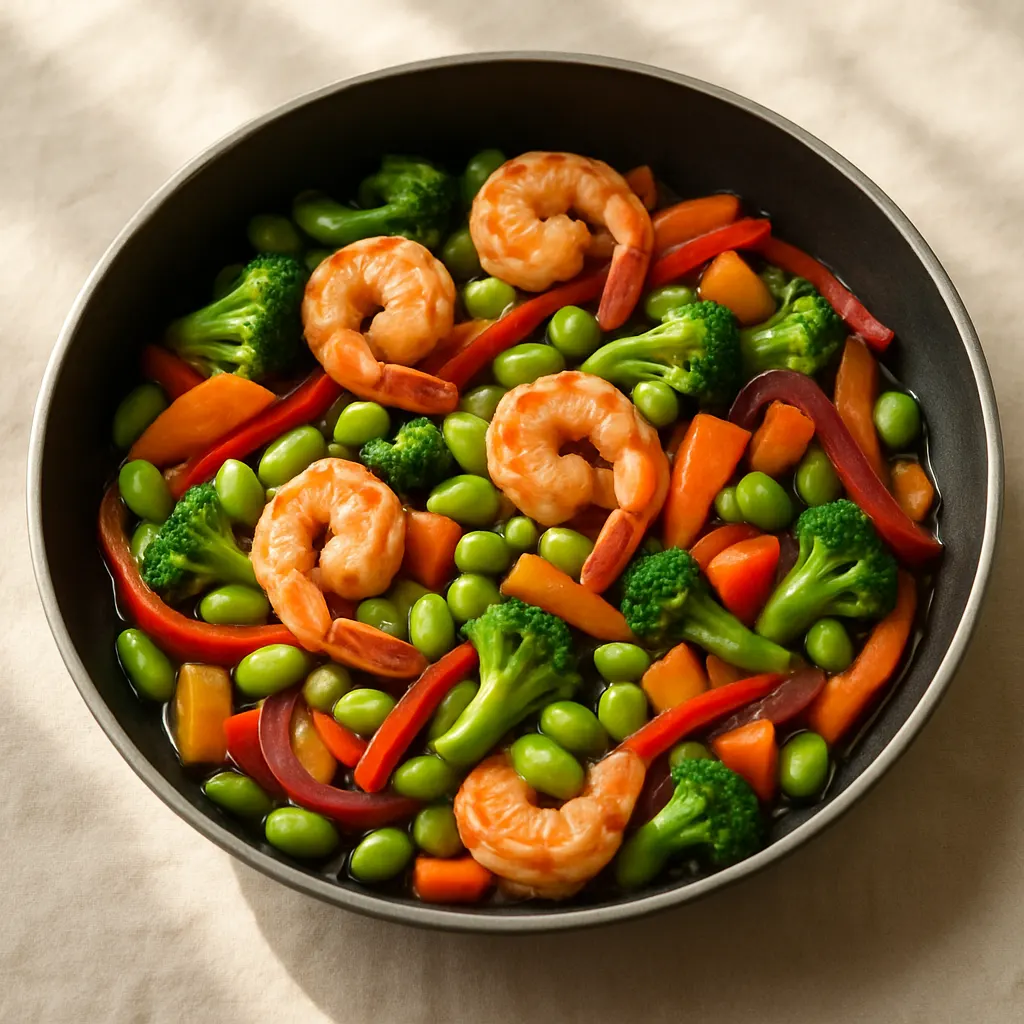
Prawn, edamame and ginger stir‑fry
High‑protein, light and fast. Use ready veg and frozen prawns.
35g protein per portion15 minMakes 2
You need
250 g cooked prawns, defrosted and patted dry
150 g frozen edamame beans
250 g stir‑fry veg mix
1 tbsp soy sauce (reduced salt if preferred)
1 tbsp ginger paste (or freshly grated)
1 tsp garlic paste
1 tsp sesame oil or rapeseed oil
Lime or lemon to finish
Method
Microwave or boil edamame for 3 to 4 minutes; drain.
Heat oil in a large pan or wok. Add ginger and garlic; sizzle 30 seconds.
Add veg and stir‑fry 2 to 3 minutes until just tender.
Toss in prawns and edamame with soy sauce. Heat through 2 minutes.
Squeeze over citrus and serve as is, or with a half‑portion of microwave rice.
breakfast or anytime
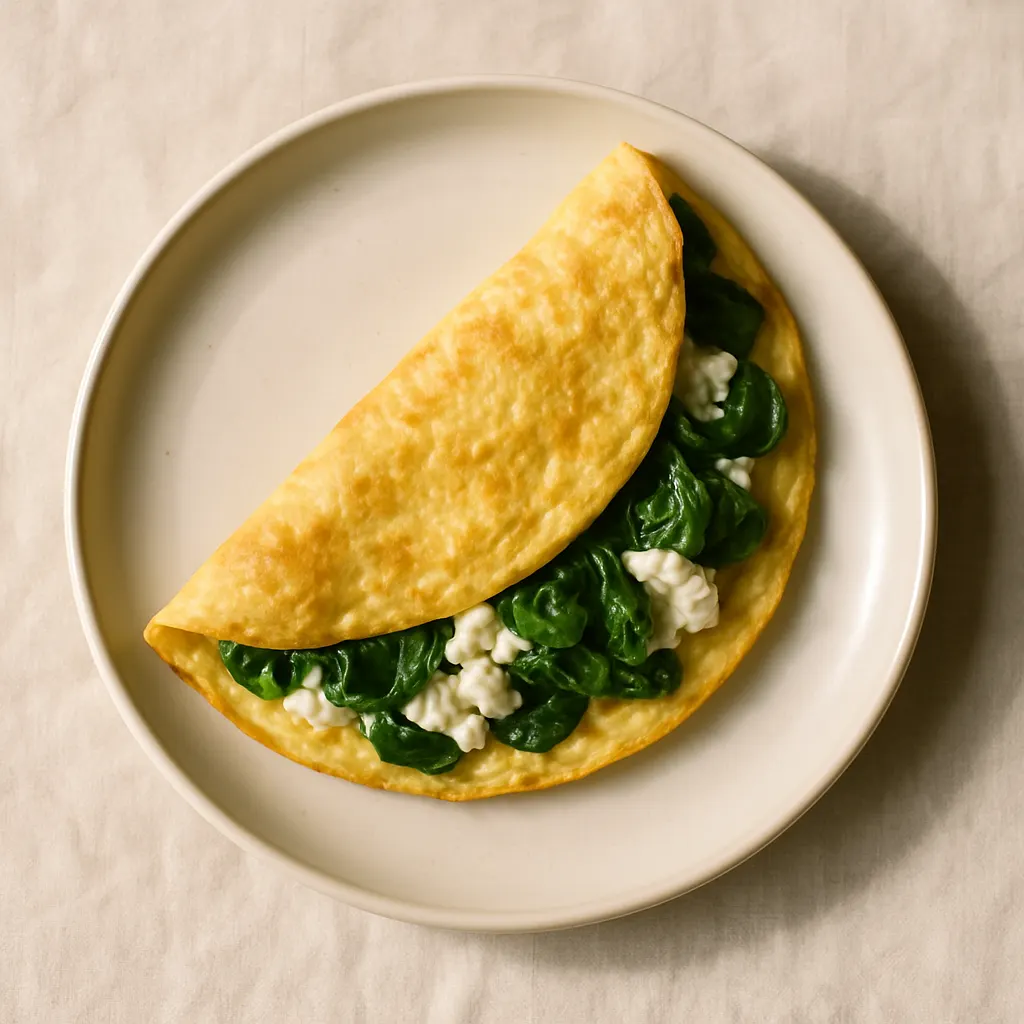
Cottage cheese and spinach omelette
Soft, savoury and satisfying. Lovely when appetite is low.
25g protein12 minServes 1
You need
2 medium eggs
100 g cottage cheese
1 handful baby spinach
1 tsp butter or oil
Black pepper, pinch of salt
Method
Whisk eggs with a pinch of salt and pepper.
Warm butter in a non‑stick pan. Add spinach; wilt for 30 seconds.
Pour in eggs. When nearly set, dollop cottage cheese on one side.
Fold and cook 1 to 2 minutes more until just set. Slide onto a warm plate.
Quick protein picks for your basket
Realistic protein from typical UK packs. Per portion:
2 medium eggs13g
Skyr or 0% Greek yoghurt (150 g)16g
Cottage cheese (150 g)17g
Cooked chicken (100 g)30g
Smoked salmon (60 g)12g
Cooked prawns (100 g)24g
Tinned tuna, drained (100 g)24g
Firm tofu (100 g)12g
Cooked lentils (150 g)12g
Edamame, cooked (100 g)12g
Semi‑skimmed milk (250 ml)9g
High‑protein shake (250 ml)20g
Figures are rounded from typical UK supermarket labels. Check your own packs.
Questions people ask
How do I plan a small, realistic weekly shop on Mounjaro?
Pick 2 yoghurts, 1 to 2 proteins (chicken, prawns, tofu), 2 quick grains, 2 tins of beans or fish, 4 to 5 veg you like, 3 fruits, and 2 to 3 easy snacks. Buy milk or a protein drink you’ll actually sip. Freeze extras in single portions so nothing is wasted.
What if I feel nauseous or full quickly after shopping?
Keep soft, simple foods on hand: skyr or drinkable yoghurt, bananas, soups, eggs, mashed potato, soft fish. Sip fluids between meals. Our guides on foods for nausea and what to eat on injection day have more ideas. If symptoms are strong or persistent, speak to your prescriber, GP or pharmacist.
Are protein yoghurts and shakes worth it?
They’re handy when appetite is low because they’re quick and easy to finish. Check labels and pick flavours you enjoy. A 150 g skyr is about 16 g protein; a 250 ml high‑protein shake is around 20 g. Keep a couple in the fridge or cupboard for busy or low‑energy days.
What should I stock in the cupboard for no‑effort meals?
Tins of tuna or mackerel, beans and lentils, microwave rice or quinoa, passata, pesto, and instant miso or stock. With these, you can make a 10‑minute tuna‑bean salad, lentil soup, or a prawn and edamame stir‑fry from the freezer. See our small lunches and family dinners guides for more ideas.
General food information for adults, not medical advice. Always follow your prescriber's advice about your medication, and speak to your GP, pharmacist or a dietitian about health concerns. Mounjaro, Wegovy and Ozempic are trademarks of their owners; Little & Often isn't connected to them.
See a free sample day of meals made for youTry it free