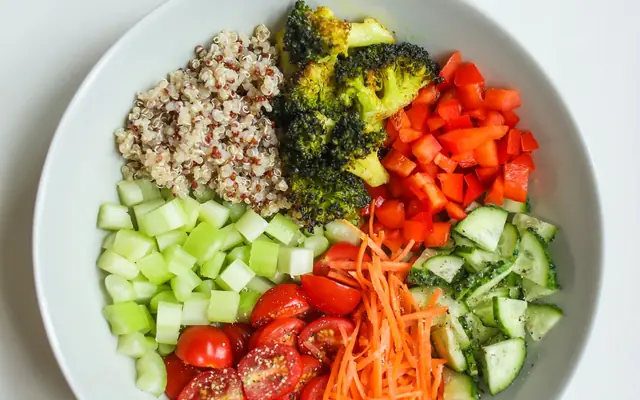
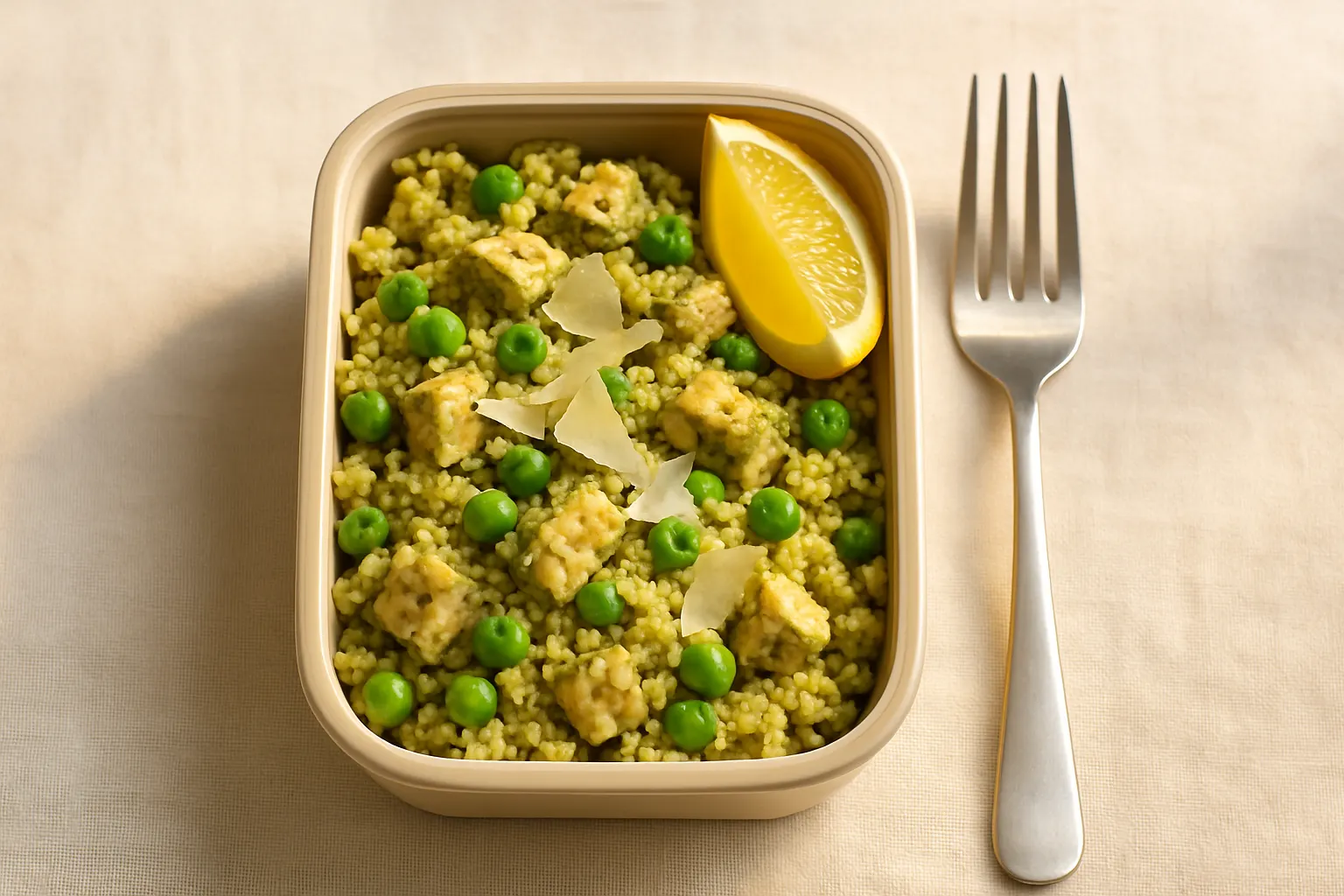
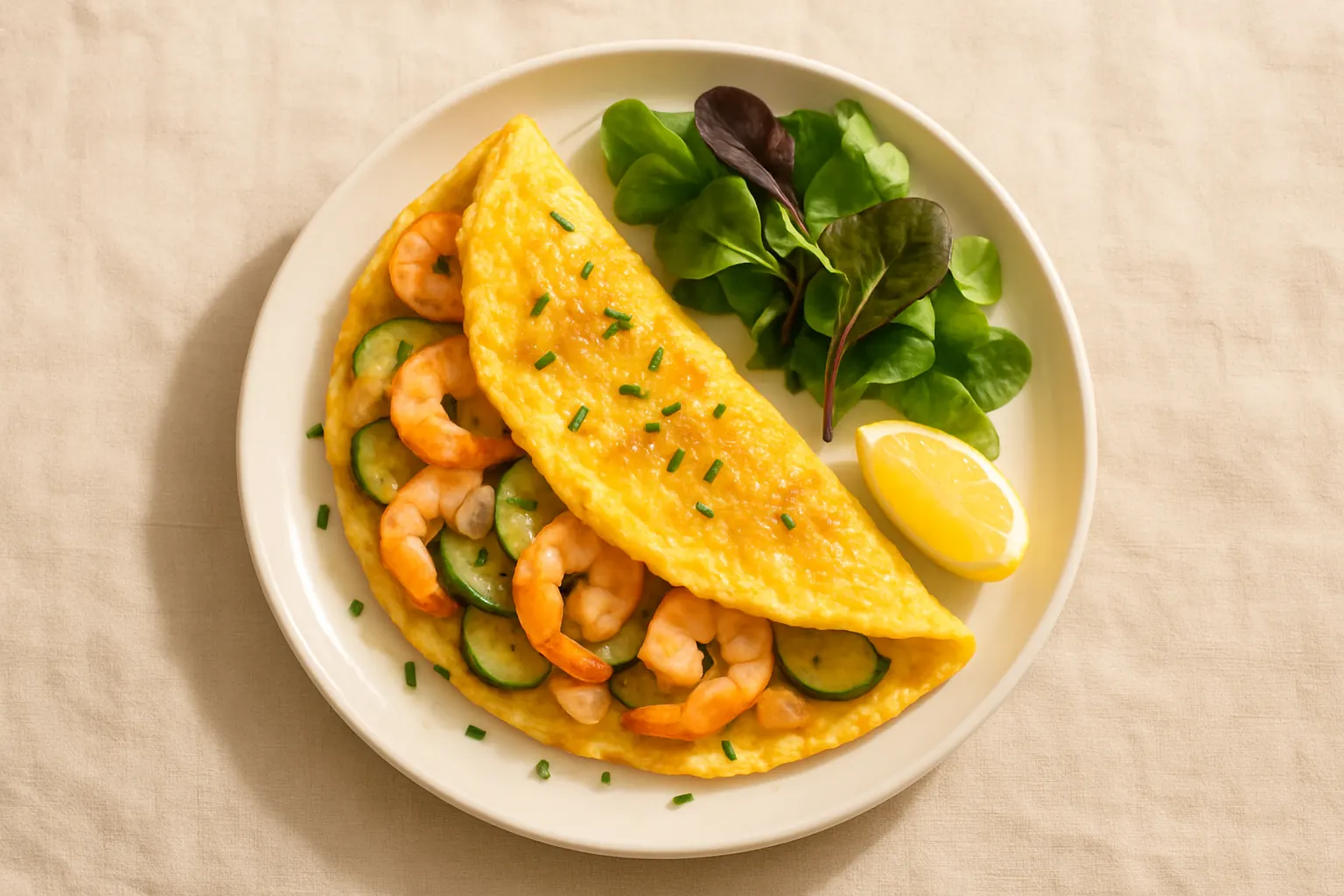
You can eat with the family and still keep protein up, even if your portion is small. Build your plate around a palm-sized piece of protein, then add veg and a spoon of carbs. Here are simple swaps, portion tips and quick recipes that fit into family meals.
Updated 17 October 2026 · Little & Often
How to share family dinners with a smaller plate
Keep it simple: take a smaller scoop of the family meal, then add an extra bit of protein to your plate. That might be a few prawns from the freezer, a spoon of cottage cheese, or half a chicken breast kept aside.
Aim for roughly a palm of protein (about 80–120g cooked meat or fish, 2 eggs, a good scoop of skyr or cottage cheese, or a fist of beans). Then pile on veg. Add 2–4 forkfuls of carbs if you want them.
Cook once, eat twice: when you make chilli, curry or pasta sauce, stir in beans or lentils, then freeze a few small tubs. Future you will thank you.
Keep “protein sides” in the fridge or freezer. A small addition can double the protein in a little portion of pasta, soup or stew.
Serve family‑style. You take protein first, veg second, carbs last.
Use smaller bowls. A modest bowl looks full with chunky veg and protein.
Make extra protein on traybake nights (spare fillet, extra sausages, tofu pieces).
Keep gentle drinks nearby (water, weak squash). Eat slowly and stop when comfortable.
Quick protein add‑ons for the table (per small portion)
These are easy to put out with dinner so you can top up your plate. Protein grams are realistic UK-label figures.
Cooked chicken breast, 100g30g
Cooked salmon, 100g23g
Lean beef mince (cooked), 100g26g
Cooked prawns, 100g24g
Baked cod, 100g20g
Firm tofu, 100g12g
Tempeh, 100g19g
2 medium eggs13g
Skyr or thick Greek yoghurt, 150g16g
Cottage cheese, 100g11g
Halloumi, 50g12g
Cheddar, 30g7g
Edamame (frozen, cooked), 80g9g
Brown lentils (cooked), 100g8g
Chickpeas (cooked), 100g7g
Portion ideas for classic family meals
Here’s how to build a smaller plate at typical UK dinners, with honest protein counts.
Roast dinner: 100g cooked chicken or beef (20–30g), plenty of veg, 1 roast potato or a small scoop of mash. Add a spoon of gravy.
Spaghetti night: 100g lean beef or turkey mince in the sauce (26–30g) and courgetti stirred through. If your portion is mostly pasta, add 50g cottage cheese on the side (+6g) or 3 tbsp grated Parmesan (+6g).
Curry and rice: 100g chicken breast or firm tofu (30g or 12g), half a naan shared, small rice scoop. Stir in 100g chickpeas (+7g).
Chilli and tacos: small bowl of chilli with 100g cooked mince and beans (about 25–30g), extra spoon of Greek yoghurt (+5g).
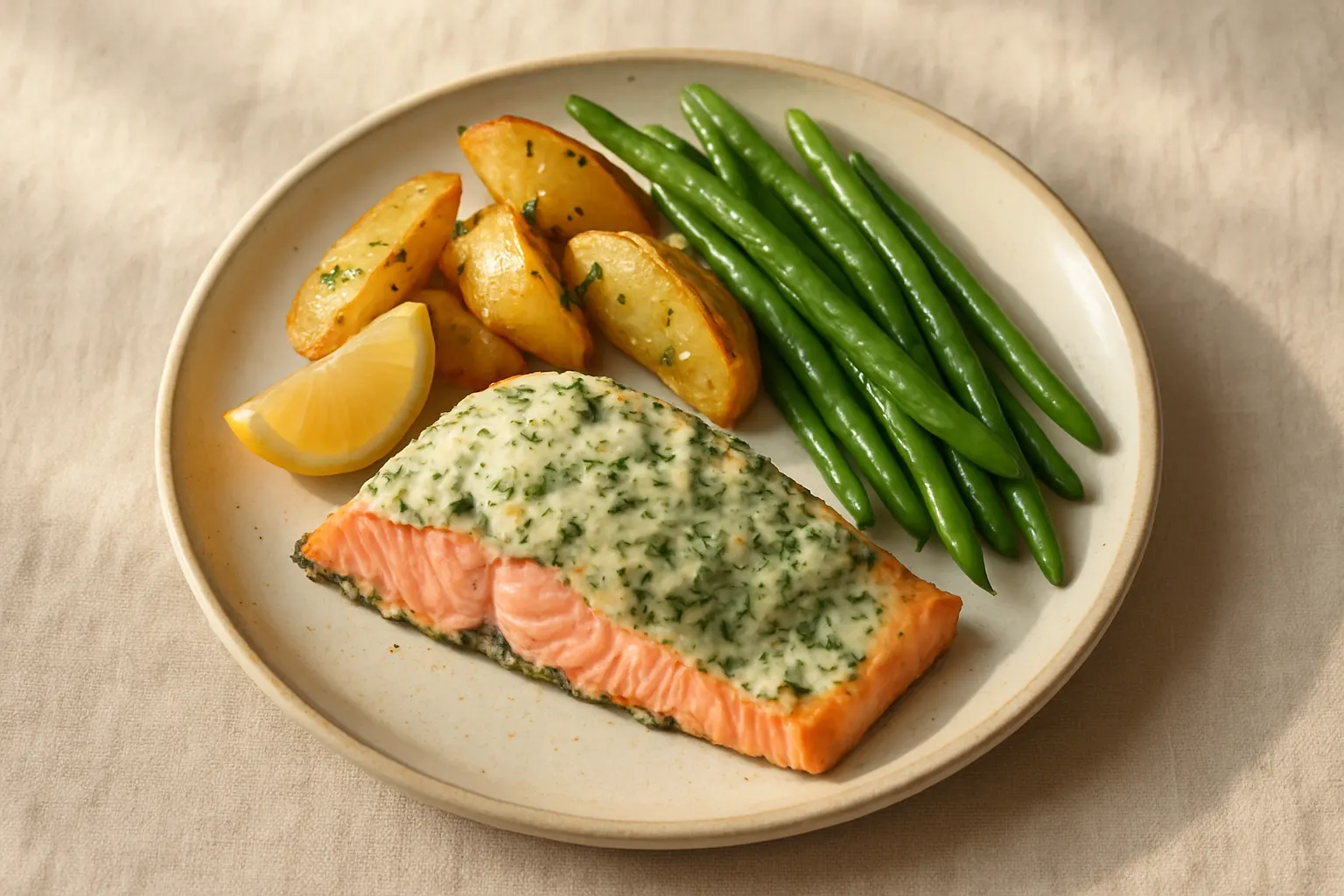
Fish Friday: 120g baked salmon (about 27–28g) with peas (+4g per 80g) and new potatoes.
Omelette night: 2 eggs (13g) with 30g cheddar (+7g) and spinach. Add baked beans, 100g (+5g).
Soup and bread: small bowl of tomato or veg soup with 150g skyr on the side (16g), or stir in 100g cooked lentils (+8g).
Family‑friendly protein wins to cook once
These dishes work for everyone. You take a modest serving; others can have more. Leftovers freeze well in small tubs.
Use supermarket shortcuts: pre‑chopped veg, microwavable grains, frozen onions, frozen herbs and peas to save time and energy.
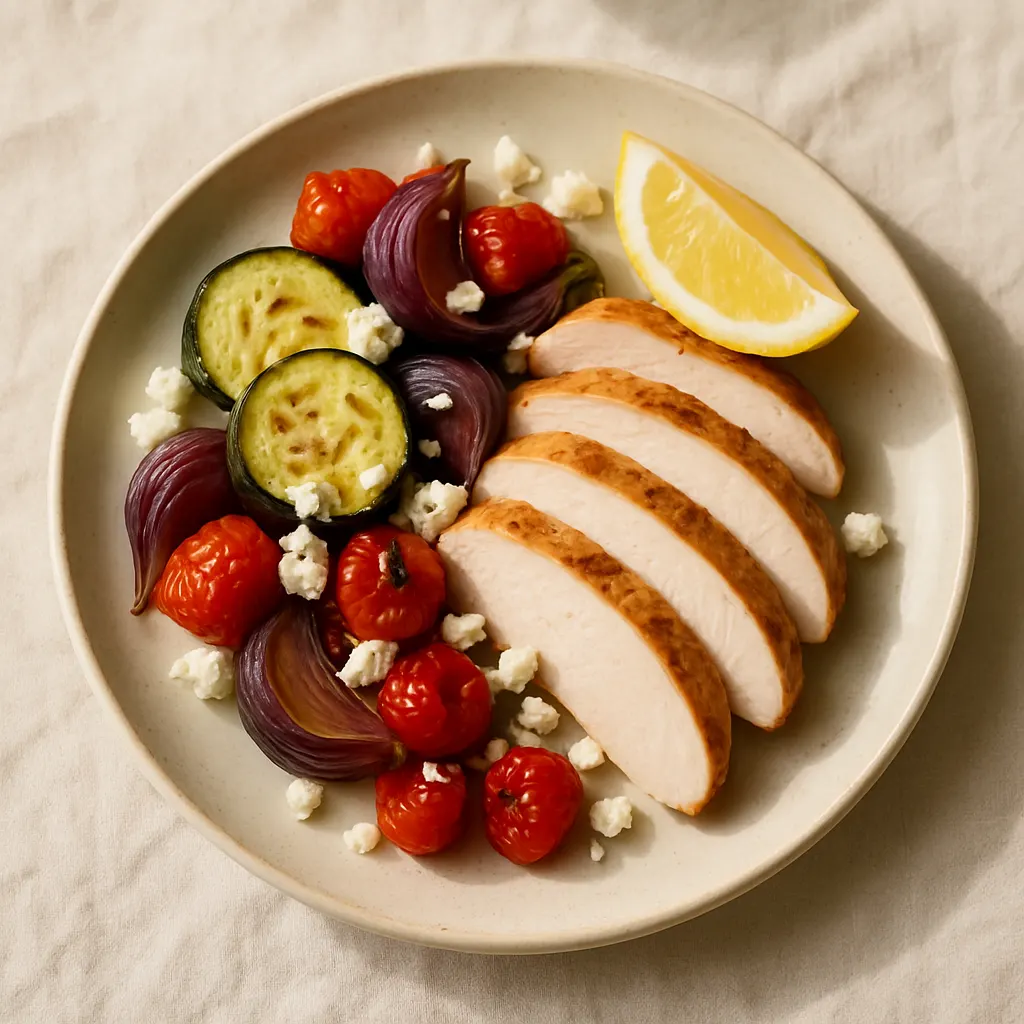
A quick sheet‑pan dinner. You take a small pile of chicken and veg; the family can help themselves.
28g protein per portion30 minMakes 3
You need
2 small chicken breasts (about 220g total)
1 medium courgette, thick half‑moons
1 red onion, wedges
200g cherry tomatoes
1 tbsp olive oil
1 tsp dried oregano or Italian herbs
40g feta, crumbled
Lemon wedges, to serve
Salt and pepper
Method
Heat oven to 210°C (190°C fan). Line a tray.
Toss courgette, onion and tomatoes with oil, herbs, salt and pepper. Spread out.
Season chicken and nestle on the tray. Bake 18–22 minutes until chicken is cooked through.
Crumble feta over, squeeze lemon, rest 2 minutes.
Slice chicken. Take a small serving (aim 70–100g chicken) with plenty of veg. Save leftovers in small tubs.
Hob
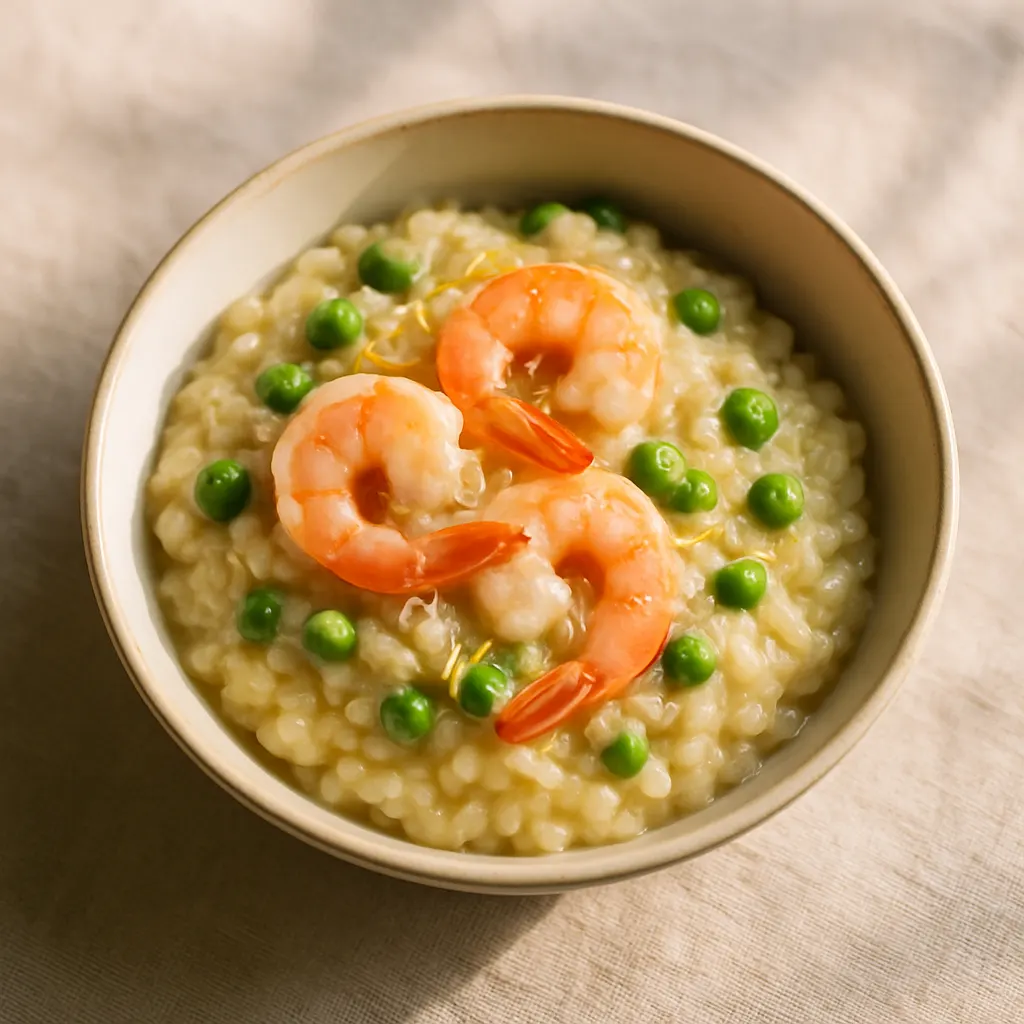
Prawn and pea lemon risotto (freezer‑friendly)
Creamy, short‑time risotto using frozen prawns and peas. A small bowl still packs protein.
25g protein per portion30 minMakes 3
You need
160g risotto rice
1 small onion, finely chopped (frozen is fine)
1 tbsp olive oil
600ml hot stock (veg or fish)
180g frozen cooked prawns, thawed and patted dry
120g frozen peas
Zest of 1 lemon, plus wedges
20g Parmesan, finely grated (plus extra)
Salt and pepper
Method
Soften onion in oil in a wide pan, 3–4 minutes.
Stir in rice for 1 minute. Add hot stock a ladle at a time, stirring, 16–18 minutes until creamy and just tender.
Fold in peas for 2 minutes.
Stir through prawns to warm gently, 1–2 minutes. Off the heat, add Parmesan, lemon zest, pepper and a squeeze of lemon.
Serve small bowls. Add extra Parmesan if you like. Cool leftovers in small tubs.
One‑pot
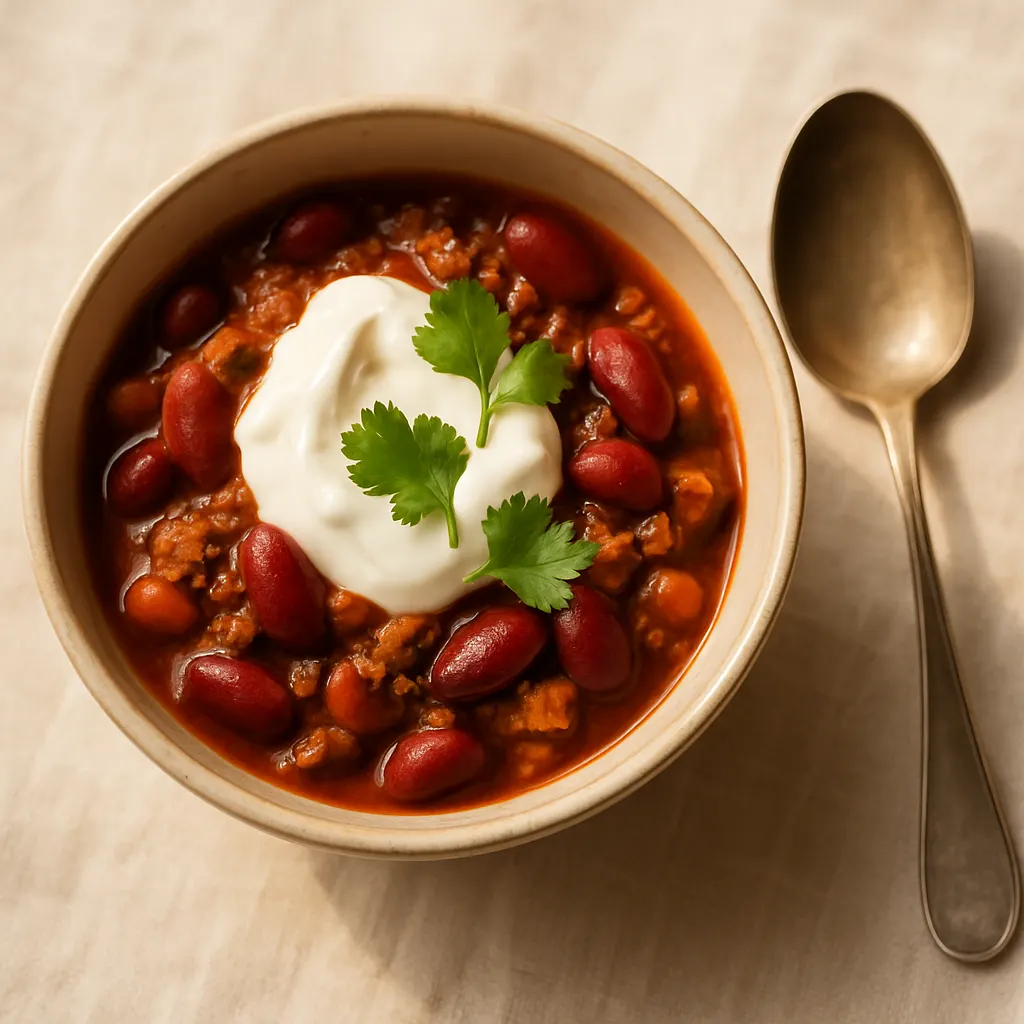
Beef, bean and veg chilli (small‑bowl special)
Lean beef plus beans for extra protein and fibre. Freeze in small portions for easy wins.
27g protein per portion40 minMakes 4
You need
350g 5% fat beef mince
1 tbsp olive oil (optional if pan sticks)
1 onion, chopped (fresh or frozen)
1 red pepper, diced
2 tsp mild chilli powder
1 tsp ground cumin
400g tin chopped tomatoes
1 tbsp tomato puree
200ml beef or veg stock
400g tin kidney beans, drained and rinsed
Salt and pepper
To serve: Greek yoghurt, grated cheddar, coriander (optional)
Method
Brown mince in a wide pan (use a little oil if needed). Drain any excess fat.
Add onion and pepper; cook 5 minutes. Stir in spices and tomato puree for 1 minute.
Pour in tomatoes and stock. Simmer 15 minutes.
Stir in kidney beans and cook 5–8 minutes until thick. Season.
Serve a small bowl with a spoon of Greek yoghurt or a pinch of cheddar. Cool and freeze leftover small pots.
When eating feels hard
If appetite is low, keep portions small and gentle. Choose soft proteins (eggs, yoghurt, cottage cheese, tofu, flaky fish). Sip fluids. If nausea, constipation or other side‑effects persist, speak to your prescriber, GP or pharmacist.
Figures are rounded from typical UK supermarket labels. Check your own packs.
Questions people ask
How much protein should I aim for at dinner with a small appetite?
A good target is around 20–35g protein at dinner. That could be 100g cooked chicken (30g), a 120g salmon fillet (about 27–28g), or a small bowl of bean‑boosted chilli with a spoon of yoghurt (around 25–30g). Spread protein across the day.
What if the family wants pasta or pizza?
Join in, just adjust your plate. For pasta, take more sauce and less pasta, and add 50–100g prawns or chicken, or 100g cottage cheese on the side. With pizza, have 1–2 small slices plus a side of skyr or a quick omelette for extra protein.
Are protein powders OK at dinner?
They can help if food feels too much. Stir unflavoured powder into soup or tomato sauce, or have a small milk‑based shake alongside. Whole foods like chicken, fish, eggs, tofu, beans and dairy bring extra nutrients and are a great first choice.
I feel queasy in the evening. What should I do?
Keep dinner light and soft: eggs, yoghurt, cottage cheese, tofu, flaky fish with potatoes or rice. Ginger tea or peppermint can help. If nausea or other side‑effects continue, speak to your prescriber, GP or pharmacist.
General food information for adults, not medical advice. Always follow your prescriber's advice about your medication, and speak to your GP, pharmacist or a dietitian about health concerns. Mounjaro, Wegovy and Ozempic are trademarks of their owners; Little & Often isn't connected to them.
See a free sample day of meals made for youTry it free